
The access control system helps in improving workplace safety by making everyday operations more smoother. They replace traditional keys with digital credentials to avoid any form of unauthorized access that could lead to a data breach in security. In this way, the systems save more time for the staff by automating entry, attendance, and managing permissions. Thus, it results in a more safer, faster, and organized work environment.
Understanding How Secure Access Control Systems Work

The idea behind such systems is to make workspaces secure, yet accessible for the people authorized to use them. These systems use various technologies, including key cards, biometrics, or mobile passes. Each option gives a different balance between convenience and security, depending on the particular needs of the organization. Major components of an access control system include readers, authentication credentials, controllers, and management software.
Readers scan the credentials, which can be a key card, a fingerprint, or a mobile app. Controllers are hardware devices that process these requests and make decisions to grant access. Management software allows administrators to set rules, grant permissions, and monitor who comes and goes at any moment in time.
In simple words, an access control system simply verifies if a person’s credentials match those on its approved database list. If they do, access is granted; if not, entry is denied. This process ensures that only authorized individuals reach specific areas for maintaining security, protecting sensitive data, and making building management much easier.
Security Enhancements in the Workplace With Advanced Features

With advanced features, modern access control systems make the workplaces safer, smarter, and easier to manage. The most powerful among these features is multi-factor authentication, which combines two or more methods for verifying a person’s identity, including a key card, a PIN code, and a fingerprint or facial recognition scan.
In case one credential is lost, stolen, or compromised, the added layer of verification ensures that unauthorized persons cannot gain access. This makes the environment quite useful when sensitive data, equipment, or financial records are involved, such as in hospitals, data centers, or corporate offices. MFA not only strengthens security but also builds employee confidence in their workplace.
Other important features include integration with other security systems like CCTV cameras, fire alarms, motion sensors, and intrusion detection systems. When all these systems are connected through a central management platform, security personnel are accorded a complete view of what is happening in real time.
For example, if there is an attempt by someone to enter a restricted zone, the access control system can automatically trigger cameras to record the incident or alert security staff around that area. In times of emergency, such as fire or intrusion, integrated systems can automatically unlock exit doors, turn on alarms, and guide personnel to safety.
Let’s not forget the important aspect of time-based access control for improving safety and security. Here, the administrator restricts the time frames within which some employees can access an area. The cleaning staff or contractors can have a facility that grants them permission to enter the area only during non-working hours, or administrative employees are granted permission to enter only during working hours. This not only minimizes the risk of incidents like theft or vandalism, but also simplifies security as permissions are automated according to schedules.
RBAC ensures that employees do not have access to areas and information other than those relevant to their responsibilities. For instance, an HR executive would want access to personnel files but not to financial systems or server rooms. Organizations can drastically reduce the chances of an internal leak or misuse of data by securing access on a role-based system.
Finally it also makes management a lot easier; any employee who switches roles or departments can have their access can be updated in an instant without having to rework the whole configuration. With these advanced features, the modern access control system becomes an essential element in the area of workplace safety and efficiency. They don’t just protect physical space but also support compliance, prevent human error, and create an environment where operations run in a smooth and secure way.
Access Control and Workplace Productivity
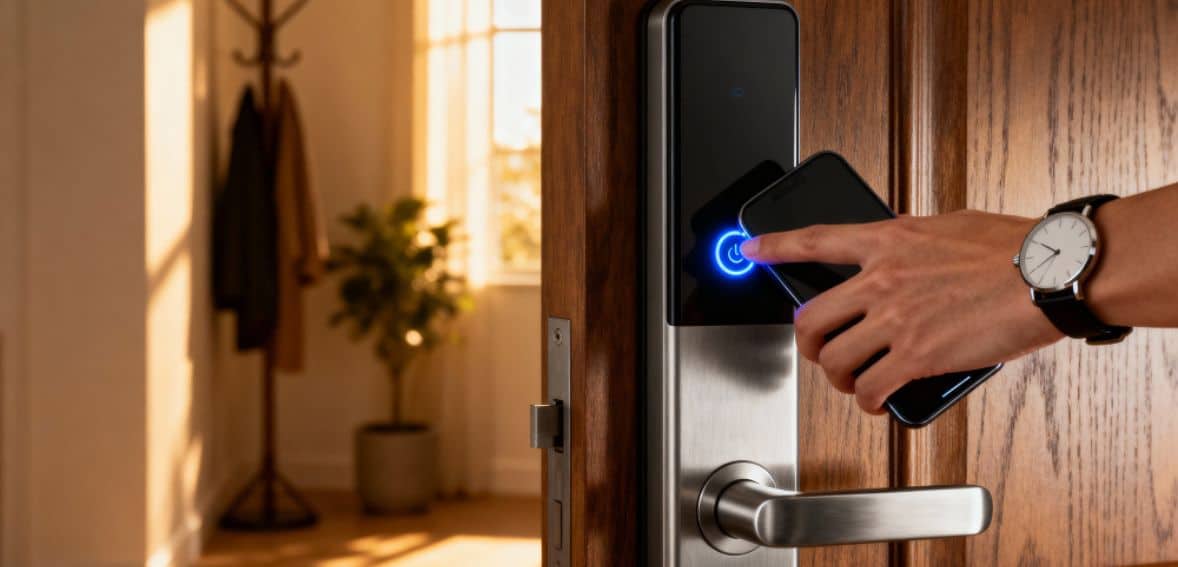
Smart access points allow businesses to eliminate delays that take place at peak hours, when employees enter or leave for shifts, breaks, or meetings. This usually creates chaos at entry points with conventional sign-in procedures or manual ID checks. However, contactless entry options, such as smart key cards, mobile gate access apps, or biometric scanners, make employees pass through doors or gates with ease. Touch-free systems can reduce this waiting time by approximately 50%, thus allowing more smoother traffic flow, especially in huge organizations such as hospitals, corporate campuses, or manufacturing industries.
A key feature of such contemporary systems is the ability to personalize access routes depending on job functions or departments. For example, a manager could have full access to every area of the building, while technicians or administrative employees only need access to specific zones. This measure will not only increase the level of security but also make it easier for workers to get directly to their working areas without detours and stops at security points.
Over time, these small time savings add to substantial productivity gains across the organization. Another important advantage is the way access control systems integrate into a building management system. Once linked, they could automate several routine tasks on a daily basis. For example, lighting, temperature, and air conditioning automatically adjust according to occupancy.
When the department is unoccupied, the lights and HVAC can shut down in order to save energy. If there are people inside, it turns on automatically for the comfort of the occupants. This facilitates smoother operations as the security teams get to monitor the building activities via a centralized dashboard and immediately see who has come or left, and at what time.
In case of any suspicious behaviour, such as an unauthorized access attempt, alerts are sent instantly for immediate action. In other words, modern systems of access control blend automation with convenience for smooth daily operations while saving time and costs and improving productivity altogether.
How to Implement a Secure Access Control System at Your Workplace
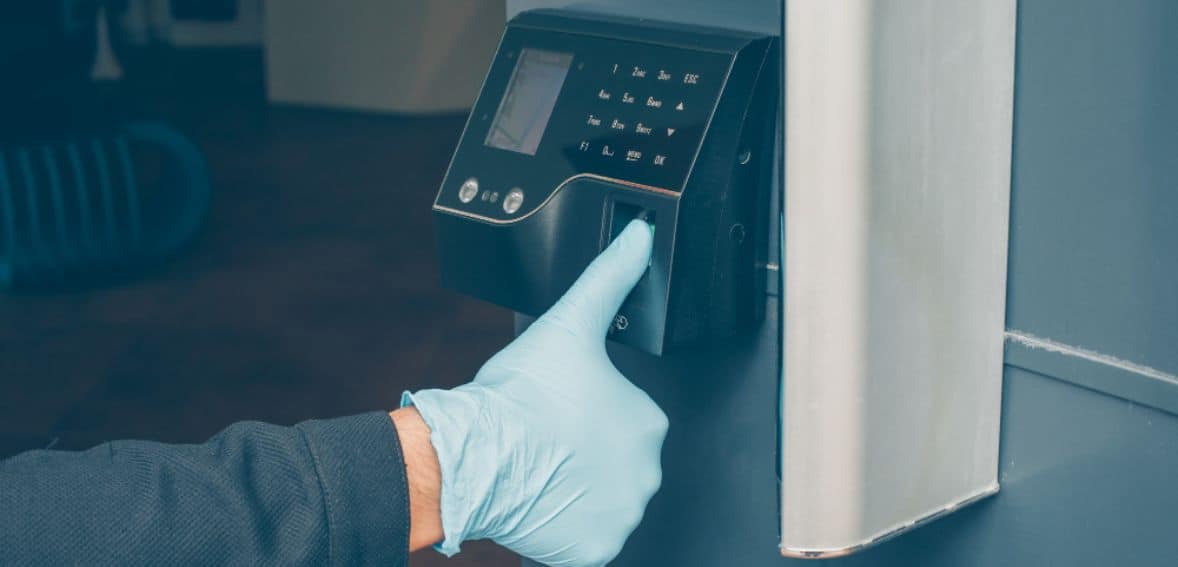
In order to implement an effective access control system, study your organization’s security needs: observe the present entryways, employee traffic, and locations that require restricted access. Pinpoint those weak points or outdated procedures that may present some sort of security hazard. This step can help you understand what kind of protection the workplace truly needs.
Choose the access control system according to your organizational size and future plans. Consider features regarding scalability, ease of use, and integration into other systems, such as CCTV or alarm systems. A system that can grow with your business saves time and cost over the long run. Finally, consider the appropriate installation and training of the staff.
Even the best system in the world will not serve its purpose if people are unaware of how it works. Provide your team with training on how the system works and enlighten them regarding new security procedures. This helps in maintaining consistency in safety measures taken by everyone and makes your workplace secure and well-managed.
Most Common Problems and Their Solutions

Resistance to change is one of the most common challenges when introducing an access control system. Employees may feel uneasy or skeptical about the new technology. Communicate openly about the system’s benefits, including its improved safety and easier access management, and provide hands-on training sessions.
Other common business issues include technical ones, such as software glitches, integration problems, or even the rare system failure. These are best dealt with by going to a reputable provider for installation and follow-up technical support.
A partnership with experienced professionals means speedy resolutions and a smooth-running system. Lastly, many organizations find that one of the most difficult challenges is cost. While an access control system may sound expensive in the initial stages, there is long-term value. The systems cut down losses from theft, enhance safety, and lower liability risks.
Conclusion
Access control systems guarantee workplace security and enhance the ease with which teams work every day. They rule out any manual checking hassle, reduce risks associated with lost keys, and ensure smooth flow across areas. Automating entry and tracking saves precious time for your staff while increasing the accuracy of the records. Generally, access control systems offer a much safer, more efficient environment to work.
FAQs
What is an Access Control System?
It’s a security system that manages and restricts entry using key cards, biometrics, or mobile credentials.
How do access control systems improve safety?
They prevent unauthorized entry, monitor activities in real time, and send immediate alerts to security teams in case of any suspicious behavior.
Can access control systems save time for staff?
Yes, they automate entry processes and eliminate manual identification checks, which allows employees to pass through smoothly to work freely in their environments.
Is the access control system suitable for a small business?
Yes, scalable systems can be tailor-made for offices, shops, or small businesses without large upfront investments or complicated installations.
Does it integrate with other systems?
Yes, it easily integrates with CCTV, fire alarms, and HR tools for smooth monitoring and better efficiency in a workplace.